
| Availability: | In stock |
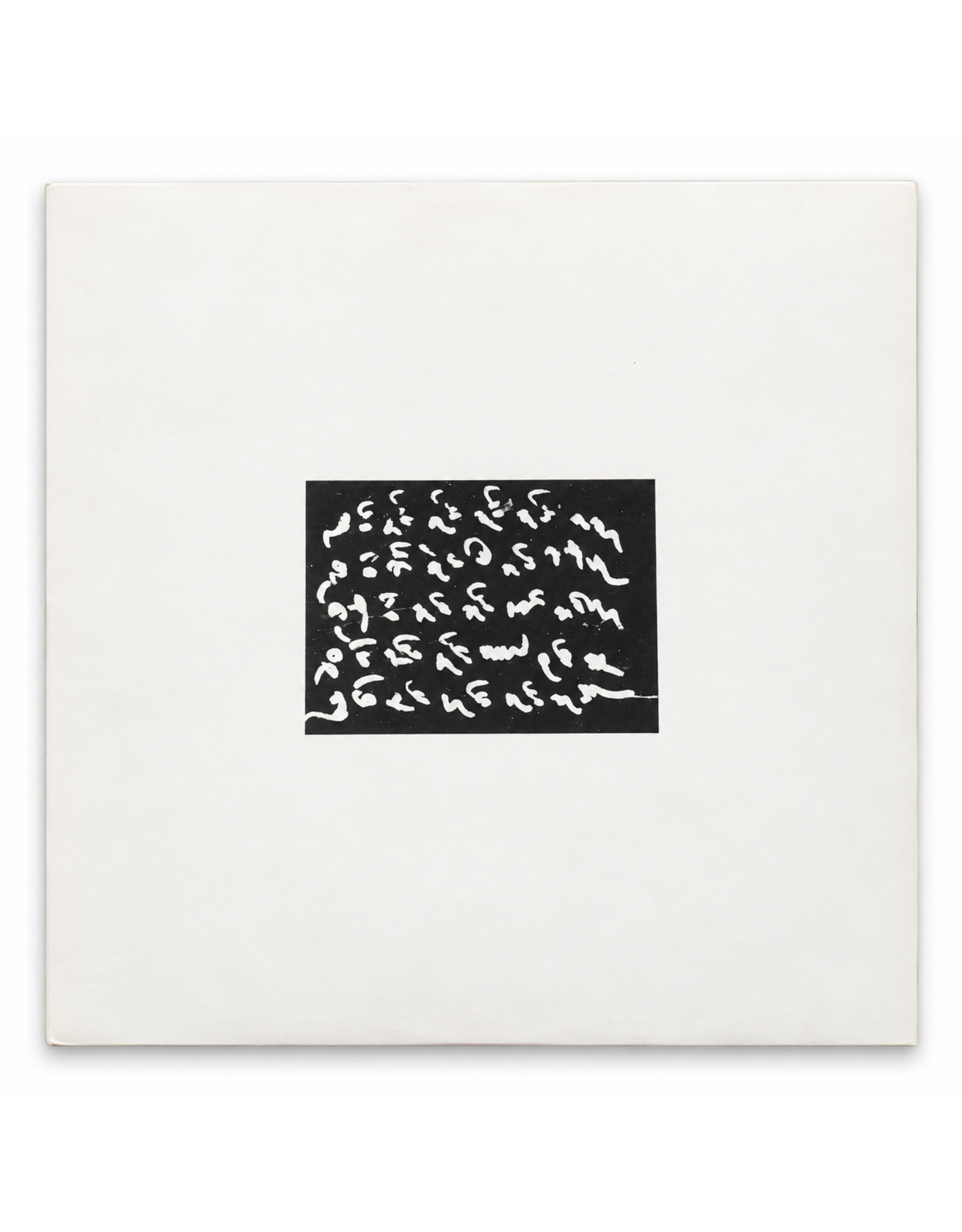
Previously unreleased recordings by Angus MacLise (1938–1979), underground percussionist, poet, founding member of the Velvet Underground, and collaborator with La Monte Young, John Cale, and Tony Conrad in the Theatre of Eternal Music. MacLise famously quit the Velvet Underground in 1965 after discovering that a paying engagement meant starting and stopping at predetermined times. As Lou Reed later recalled, “No one told Angus to stop playing.” John Cale described him as living on the “Angus calendar.” In fact, MacLise published Year (1961), a calendar in which each day had a distinct poetic title, which La Monte Young and the musicians of the Theatre of Eternal Music used to identify recordings such as “Fifth Day of the Hammer” and “Day of Niagara.” Although undated, Epiphany and Three Magi may have been recorded in New York around 1970. The recording features MacLise on tabla, guitarist Loren Standlee (Princess Flower and the Moon Rays), Hetty MacLise on flute, organ, and vocals, and filmmaker Ira Cohen on bells and chimes. Between 1967 and 1970, MacLise, Hetty, and Standlee performed together in Joyous Lake, an experimental music group whose recordings appeared in Dreamweapon, the psychedelic issue of Aspen magazine edited by Angus and Hetty in 1971. Cohen’s collaboration with MacLise extended from the psychedelic film The Invasion of the Thunderbolt Pagoda (1968) to Kathmandu, where they established Bardo Matrix/Dreamweapon Press and published limited-edition poetry books on handmade rice paper. Around the same time, MacLise staged multimedia performances called Epiphanies at St. Mark’s Church in the Bowery. Before leaving New York, MacLise entrusted his friend Don Snyder, a photographer and multimedia artist, with more than 50 reels of recordings. Filmmaker Sheldon Rochlin made safety copies in 1981, and Gerard Malanga, a poet, filmmaker, and Warhol Factory regular, later worked with Hetty MacLise to catalogue and preserve surviving recordings following MacLise’s death in Kathmandu in 1979. Transferred from archival reel-to-reel tapes and limited to 100 copies, each record is housed in a handmade sleeve with an insert reproducing MacLise’s New Universal Solar Calendar (1969).